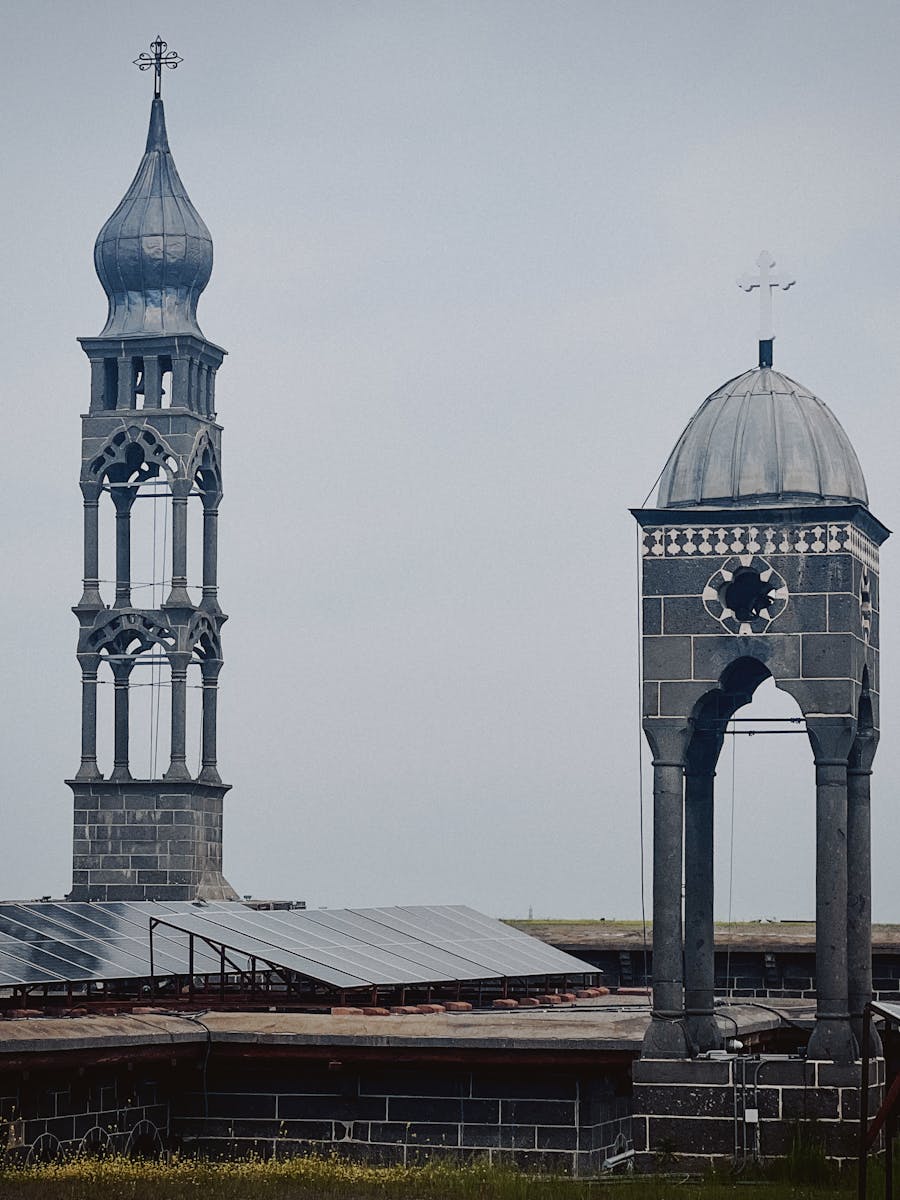
The Diocese of Oxford runs the most ambitious parish solar programme in the Church of England. Net zero by 2035 (five years ahead of the national 2030 commitment for individual parishes), parish solar grants up to £40,000, and over 100 Eco Church-registered parishes. We have delivered solar PV in eleven Oxford-area parishes since 2020 and know the diocesan finance, DAC and Net Zero teams personally.
The Diocese of Oxford at a glance
- Bishop
- Bishop Steven Croft
- Coverage
- Oxfordshire, Buckinghamshire, Berkshire
- Parishes
- ~810 CofE parishes
- Net zero target
- 2035
- Chancellor (faculty)
- Alex McGregor KC
- Capital programme
- Diocese of Oxford Net Zero Capital Programme
- Maximum diocesan grant
- £40,000
Notable historic churches in the diocese
- Christ Church Cathedral Oxford (uniquely both college chapel and diocesan cathedral)
- University Church of St Mary the Virgin
- St Aloysius RC Oxford (the Newman parish)
- Reading Minster (St Mary Butts)
- St John's Wokingham
Funding stack for Oxford parish solar
A typical parish solar project in the Diocese of Oxford combines multiple funding routes to achieve 80-100% capex cover:
| Grant source | Value range | Typical share of capex |
|---|---|---|
| Diocese of Oxford Net Zero Capital Programme | Up to £40,000 | 60-80% |
| Buildings for Mission (CofE national) | £10,000-£50,000 | 40-60% |
| 0% VAT on the installation (energy-saving materials relief) | Zero-rated to 31 Mar 2027 | 0% VAT |
| Allchurches Trust | £1,000-£25,000 | 5-15% |
Faculty jurisdiction in the Diocese of Oxford
For Church of England parishes in the Diocese of Oxford, any works to a consecrated building — including solar PV — require a faculty granted by the Chancellor, Alex McGregor KC, on the advice of the Diocesan Advisory Committee (DAC). For a well-prepared solar application, the typical timescale from PCC resolution to faculty grant is 10-18 weeks for non-listed and Grade II buildings, extending to 18-26 weeks for Grade II* and Grade I where Historic England consultation is required.
We have prepared faculty applications across the Diocese of Oxford and know the DAC office, diocesan architect, and Net Zero Officer personally. See our 2026 PCC guide to faculty jurisdiction for the full process, or our faculty application service page for our delivery approach.
Cities and towns covered in the Diocese of Oxford
We deliver across the Oxfordshire, Buckinghamshire, Berkshire footprint, with particular activity in:
How we work with Diocese of Oxford parishes
- Free desk feasibility — system size, capex, grant routes specific to Oxford, PCC-ready report inside 7 working days
- On-site survey — structural and electrical engineers; engagement with diocesan architect
- Faculty application — Statement of Significance, Statement of Needs, DAC consultation, representation at chancery
- Grant applications — Diocese of Oxford Net Zero Capital Programme, Buildings for Mission, Listed Places of Worship VAT scheme
- Install and commission — typically 1-3 weeks on site, with full PCC training and monitoring active
- Post-commissioning — Eco Church credit logged, parish magazine feature, annual carbon report
Common questions — Diocese of Oxford parish solar
How many CofE parishes does the Diocese of Oxford have?
Approximately 810 parishes across Oxfordshire, Buckinghamshire, Berkshire.
Who is the Chancellor of the Diocese of Oxford?
Alex McGregor KC grants faculties for solar installations on consecrated parish buildings.
What is the diocese's net zero target?
The Diocese of Oxford has committed to net zero by 2035, in line with (or ahead of) the Church of England's national 2030 General Synod commitment.
What grant funding is available for Oxford parish solar?
The principal route is the Diocese of Oxford Net Zero Capital Programme, with awards up to £40,000. This combines with national Buildings for Mission grants, the Listed Places of Worship VAT Grant Scheme, and charitable trust funding to typically cover 50-100% of capex.
How long does a faculty application take in the Diocese of Oxford?
For a well-prepared solar faculty application, 10-18 weeks for non-listed and Grade II buildings; longer for Grade II* and Grade I where Historic England consultation is required.
Related dioceses and resources
RELATED DIOCESES