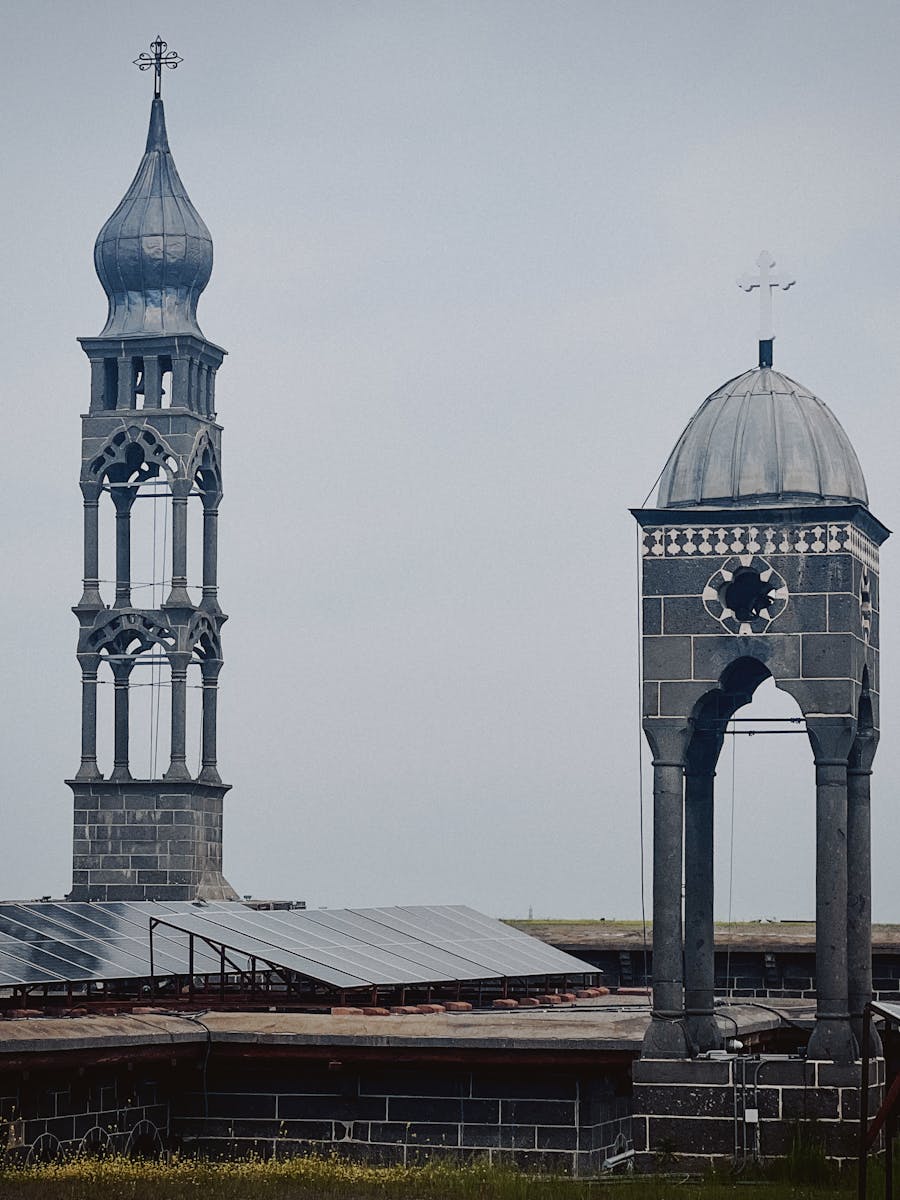
The treasurer's view of parish solar in 2026
For a treasurer, parish solar is fundamentally a capital project with grant offset. Headline capex looks intimidating — £18,000 to £30,000 for a typical parish church installation — but the net cost to the PCC is usually a small fraction of that, sometimes zero, after Buildings for Mission, diocesan capital, the Listed Places of Worship VAT scheme, and charitable trust funding stack together.
The treasurer's hardest decisions are usually three: (1) timing of grant cash receipts relative to invoice dates, (2) accounting treatment of grant income for SORP reporting, and (3) the VAT position on listed-building works. We handle all three carefully in every project and brief the parish accountant directly when helpful.
What you actually pay (worked example)
A typical £25,000 listed parish church solar install in 2026:
Capex breakdown: panels and inverter £14,500, structural and electrical works £5,500, project management and grant writing £3,000, contingency £2,000.
Funding stack: Buildings for Mission £14,000 (56%); Listed Places of Worship VAT reimbursement £4,167 (20% on listed-building works); parish reserves £3,000; Gift Aid donations / parish appeal £2,500; Allchurches Trust £1,500.
Total funding: £25,167 — slightly exceeding capex. Net cost to parish: close to zero. Lifetime electricity savings over 25 years: typically £75,000–£100,000. The financial case writes itself once the funding stack is in place.
The numbers above are from real installs — yours will be different
Grant eligibility, listing grade, roof orientation, and your congregation's energy pattern all move the final figure. Our free feasibility models your specific church and is formatted for your role — PCC presentation-ready, with the numbers your committee will actually ask about.
Get your church's free feasibility →Treasurer's pre-project checklist
- Twelve months of electricity bills (kWh and £)
- Last quinquennial report (CofE) or building condition survey
- Current parish reserves position and free reserves
- Listing grade confirmed (Historic England National Heritage List)
- Parish accountant briefed on potential grant accounting
- Diocesan Net Zero Officer contacted (CofE) or equivalent
- PCC standing-order amount and Gift Aid base estimated
- Diocesan grants picture from the diocese website
- Charitable trust shortlist (Allchurches, Garfield Weston, local foundations)
- PCC reserves policy reviewed for capital project rules
What PCC Treasurers typically experience
Accounting treatment and cash-flow timing
For SORP-compliant parish accounts (most PCCs), grant income is recognised when there's reasonable certainty of receipt and the related expenditure is incurred. Practically: Buildings for Mission grants are typically paid in arrears against invoices submitted, so cash-flow can be tight in months 6–9 of a project. Most diocesan capital programmes pay 50% on contract award and 50% on completion.
The Listed Places of Worship VAT reimbursement is the slowest cash receipt — DCMS processes claims in 4–10 weeks after submission, and submissions must be made within 12 months of each invoice date. We track this for parishes and remind treasurers when individual invoices approach their 12-month windows.
For limited companies (some PCCs operate trading subsidiaries for hall lettings), the Annual Investment Allowance applies and gives roughly 25% effective discount in year one via corporation tax. For PCCs operating purely as charities, AIA doesn't apply but VAT recovery routes (where eligible) do.
Practical recommendation for treasurers: model a 6-month cash-flow shortfall on the gross capex side, secured by Buildings for Mission award letter or diocesan loan. We can introduce diocesan trust loan facilities for parishes that need it.
Common PCC Treasurer questions
When does the PCC have to start paying?
Typically not until contract signing, which is usually after the faculty and main grant are confirmed (Months 4–6 of the project). The on-site survey and proposal stage are free. We invoice 50% on contract signing and 50% on commissioning, with grant cash flowing in parallel where possible.
How do we account for the grant income?
Under the Charities SORP, restricted grants for capital purposes are recognised on a matching basis with the related expenditure. Practically: as you invoice and pay our contracts, the corresponding grant income is recognised. Your parish accountant will draft the relevant entries; we provide all the supporting documentation.
What about VAT — is the install zero-rated?
No — solar PV on church buildings attracts standard 20% VAT. For listed buildings, the Listed Places of Worship Grant Scheme reimburses the VAT (currently 20% on qualifying works) within 12 months of invoice. For non-listed buildings, VAT is paid and not recoverable unless your parish is VAT-registered (uncommon).
Are we exposed if the grant doesn't come through?
Buildings for Mission decisions arrive before contract signing in our standard process — you only commit financially once funding is confirmed. If a grant fails post-contract (rare), we work with you on alternative routes (other charitable trusts, parish fundraising, diocesan loan). We carry the project management risk; you carry only the contracted capex.
What ongoing costs should the PCC budget for?
Annual monitoring: £180–£400 (often included in first 5 years). Annual inspection: £200–£450 (typically combined with quinquennial). Insurance uplift: £30–£150/year. Inverter replacement at year 12–15: £1,500–£4,500. Total ongoing costs over 25 years typically 3–6% of original capex.