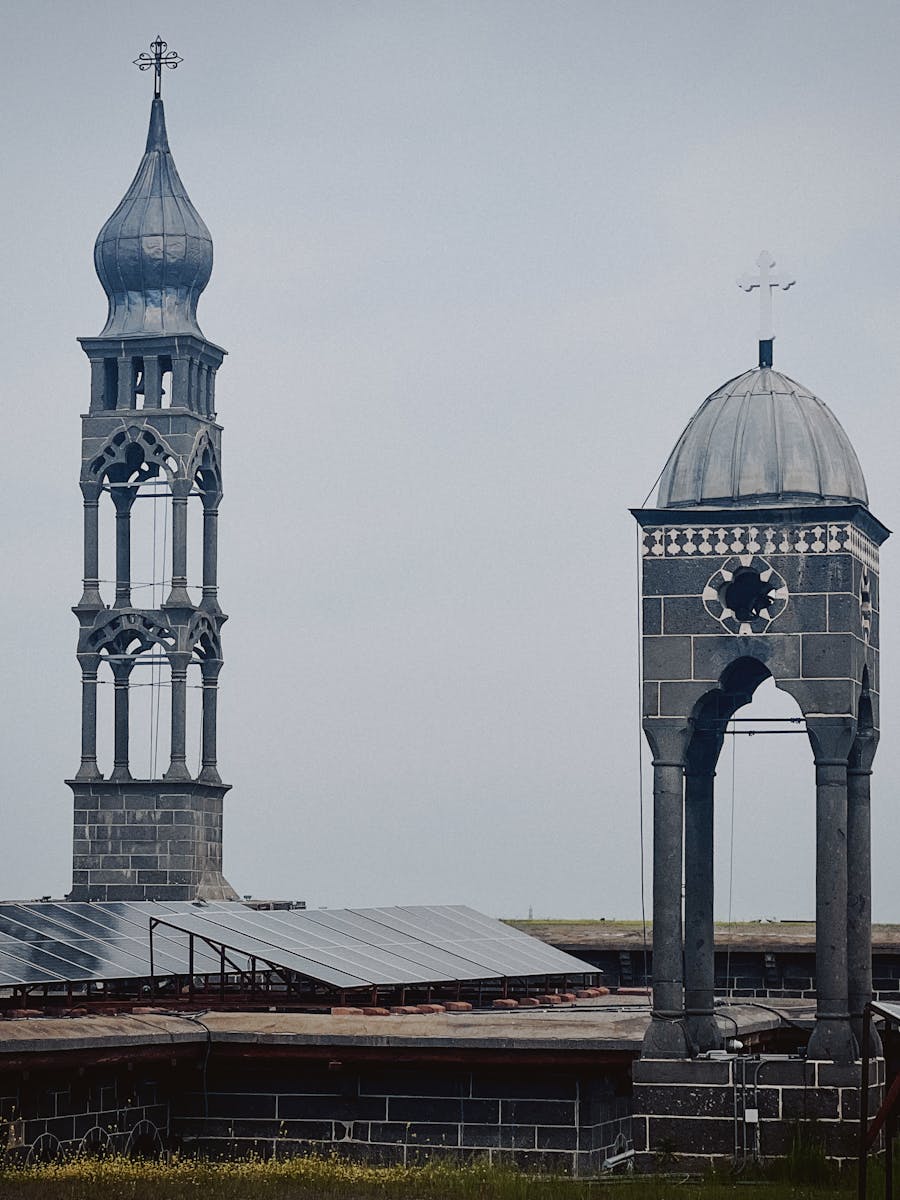
Solar as ministry, not just capex
Parish solar is most powerful when it's framed as mission, not infrastructure. 'The earth is the Lord's and everything in it' (Psalm 24:1). 'Care for the creation' (Genesis 2:15). 'You shall love your neighbour as yourself' (Matthew 22:39 — and our neighbours include those affected by climate change). Pope Francis's Laudato Si'. The Methodist Conference's 'Action for Hope'. The Quaker testimony to integrity and simplicity. Across the Christian tradition, the theological case for parish solar is rich and substantive.
For most parishes the financial case alone is necessary but not sufficient to drive a decision. The mission case is what shifts an undecided PCC. The mission case is what carries the congregation through the install disruption. The mission case is what makes the project legible to parishioners and the wider community years after commissioning.
What this means for worship and sacred space
Solar PV does not affect the consecrated status or sacred function of the church. Faculty jurisdiction confirms that the works are appropriate to the building's spiritual purpose. The panels themselves sit on the roof, invisible from inside the church. No worship space is altered.
What does change: the parish's relationship with energy. The Lord's Prayer mentions daily bread. The Eucharist remembers a meal. Sustaining the church building — heating it, lighting it, hosting the community in it — is part of the daily bread of parish life. Solar makes the parish's energy consumption more transparent and self-reliant.
Some parishes integrate the solar story into the liturgical year. Harvest Festival is a natural moment to mention the panels (the parish's harvest of energy). Creationtide (1 September to 4 October) is an established season in the CofE calendar that connects well. Annual commissioning anniversary services have been used by several parishes we've worked with.
The numbers above are from real installs — yours will be different
Grant eligibility, listing grade, roof orientation, and your congregation's energy pattern all move the final figure. Our free feasibility models your specific church and is formatted for your role — PCC presentation-ready, with the numbers your committee will actually ask about.
Get your church's free feasibility →Clergy engagement checklist
- Read the diocesan Net Zero plan
- Identify the Diocesan Net Zero Officer (DNZO) and email them
- Register the parish with Eco Church (A Rocha UK) if not already
- Consult the parish's previous quinquennial report
- Identify a churchwarden or PCC member to lead the project
- Add creation care to a sermon, study group, or prayer list
- Connect with neighbouring parishes that have completed solar projects
- Read CofE national pages on environment and climate change
- Consider how this fits the wider parish mission strategy
- Pray for discernment about scale, timing and PCC consensus
What Vicars typically experience
Working with us — what we won't do
We won't pretend the financial case is the whole story. Parish solar is theological as much as economic, and our proposals say so plainly.
We won't recommend solar where it genuinely doesn't make sense for the parish. Around 15% of parishes that approach us are told solar isn't right for them — too small, no hall, no grant route, wrong roof. We'd rather lose the work than mis-sell.
We won't replace the parish's voice with installer marketing. The mission framing of any project belongs to the parish; we draft and offer, you edit and own.
We won't push you to commit before you're ready. Free desk feasibility is genuinely free, with no follow-up sales pressure. Many parishes take 18–24 months from first conversation to first formal vote, and that's appropriate.
Common Vicar questions
What's the right scripture to anchor a sermon about parish solar?
Common starting points: Genesis 2:15 (tending the garden), Psalm 24:1 (the earth is the Lord's), Matthew 6:9-13 (the Lord's Prayer's daily bread petition), Romans 8:19-22 (creation groaning), Revelation 21:1-5 (the renewal of all things). For Catholic parishes, Laudato Si' itself is rich preaching material.
How long should the project take from a clergy perspective?
Most clergy report the project takes about 4-8 substantive PCC meetings of input over 12-18 months, plus ad-hoc conversation in between. The install week itself is the most disruptive — typically 1-3 weeks of contractors on site, then it's quiet for 25 years.
What if a parishioner objects?
Listen. Most objections concern heritage visibility or cost, both of which we can address with specific evidence. A small minority of parishioners object on principle (anti-renewables in general); those usually resolve through respectful conversation, but occasionally not. The 28-day public notice period during faculty allows for formal objection, which the Chancellor considers.
Should we still proceed if the financial case alone is marginal?
Often yes, if the mission case is strong. Several of our most successful projects have payback periods longer than the typical commercial test would justify, but they deliver substantial witness, congregational engagement, and connection to the diocesan Net Zero pathway. The financial case alone shouldn't decide it.
Can you brief the PCC directly?
Yes. We attend PCC meetings (by phone or in person) at no charge to walk PCC members through any technical, financial, or theological aspect of the project. Many clergy find this the easiest way to brief the whole PCC simultaneously.