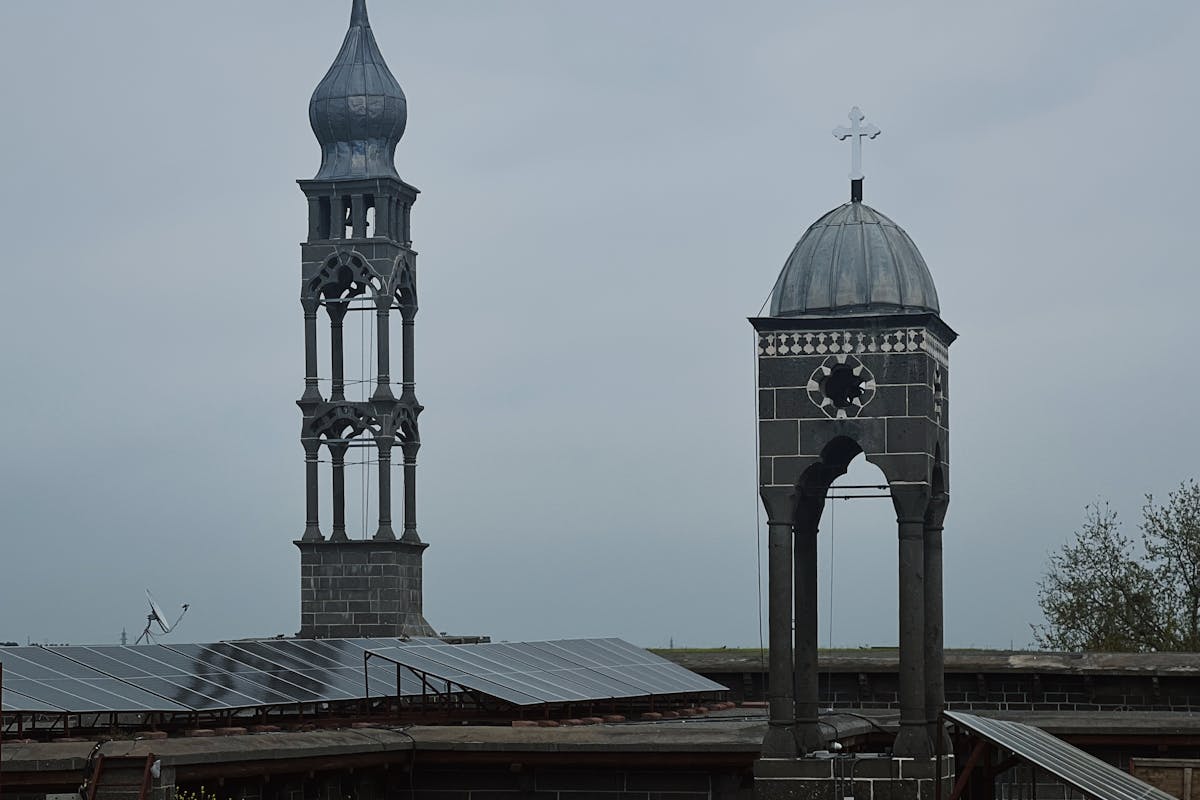
Why LED is the right Year 1 project
Most parish energy strategies should start with LED lighting before solar PV. Three reasons: (1) lower capital outlay (£3,000–£15,000 vs £20,000+ for solar), (2) faster payback (2–4 years vs 6–9), (3) demonstrates parish energy commitment without requiring faculty for most installations.
Typical parish LED retrofit: nave fittings (high bay or chandelier-style), chancel spots, vestry, kitchen, hall lighting, churchyard floodlights, security. Old halogen, fluorescent, and incandescent fittings replaced with LED equivalents at 50–70% lower wattage.
Heritage considerations matter: the visible fittings should match the building's character. Modern LED-fitting manufacturers now produce 'heritage' chandeliers, candle-effect LEDs, and warm-white (2700K-3000K) options that mimic traditional incandescent appearance. We've delivered LED retrofits on Grade I listed parish churches where the visible fittings are indistinguishable from traditional brass chandeliers.
Faculty for LED retrofits
Faculty is required for any visible LED retrofit in CofE consecrated buildings. The Statement of Significance and Statement of Needs are shorter than for solar (typically 400–800 words combined). Most DACs approve like-for-like LED replacements in 4–8 weeks.
Where the LED fitting visibly differs from the original (e.g. replacing a Victorian fluorescent batten with modern panel LEDs), the heritage justification needs more depth. We typically engage the diocesan architect early.
Listed Building Consent applies where the building is listed. Most local authorities approve LED retrofits as long as visible fittings match the building's character. Conservation area considerations rarely apply to internal lighting.
Pew heater controls — adjacent intervention
Many parish churches have electric resistive pew heaters that run continuously or on a simple thermostat. Replacing with motion-controlled pew heaters or hire-day-only operation typically reduces heating electricity demand by 40–60%.
Combined LED + pew heater control retrofit: typically £6,000–£20,000 capex, 3–5 year payback. We usually deliver these together because both interventions require the same install crew on site for the same week.
The combined retrofit is often the right Year 1 project before solar PV in Year 2.
Funding for LED retrofits
Most parish LED retrofits don't qualify for Buildings for Mission (the programme prioritises renewable energy and mission-aligned works over efficiency). Some dioceses fund LED retrofits through their broader Net Zero capital programmes.
The Listed Places of Worship VAT scheme applies to LED retrofits on listed buildings — effectively a 20% discount. Most parishes self-fund LED from parish reserves or short fundraising appeals.
We can structure a combined LED+solar package where the LED capex is folded into a larger Buildings for Mission application alongside the solar capex. This sometimes increases the overall grant award.
Common questions
Do LED retrofits affect the listed status?
No. Listed Building Consent confirms the works are acceptable. The listing remains unchanged. Most LED retrofits use heritage-appropriate fittings that match the building character.
Can we keep our old chandeliers?
Yes — modern LED candle-effect bulbs fit standard E14/E27 sockets and look nearly identical to incandescent. Many parishes keep their existing chandeliers and replace only the bulbs.
What about emergency lighting?
LED emergency lighting is now the British Standard. Annual emergency lighting test obligations remain unchanged. Modern LED emergency fittings have 5-year batteries vs 3-year for older systems.
How long does LED retrofit take?
Typically 1–2 weeks on site for a parish church and hall combined. Most work happens out of service hours; main church space access usually needed for half a day per service area.
Does the dimmer system need to change?
Yes — old triac dimmers don't work with most LED fittings. New LED-compatible dimmers (typically TRIAC or 0–10V) are installed as part of the retrofit. Cost increment is small.