Quick answer
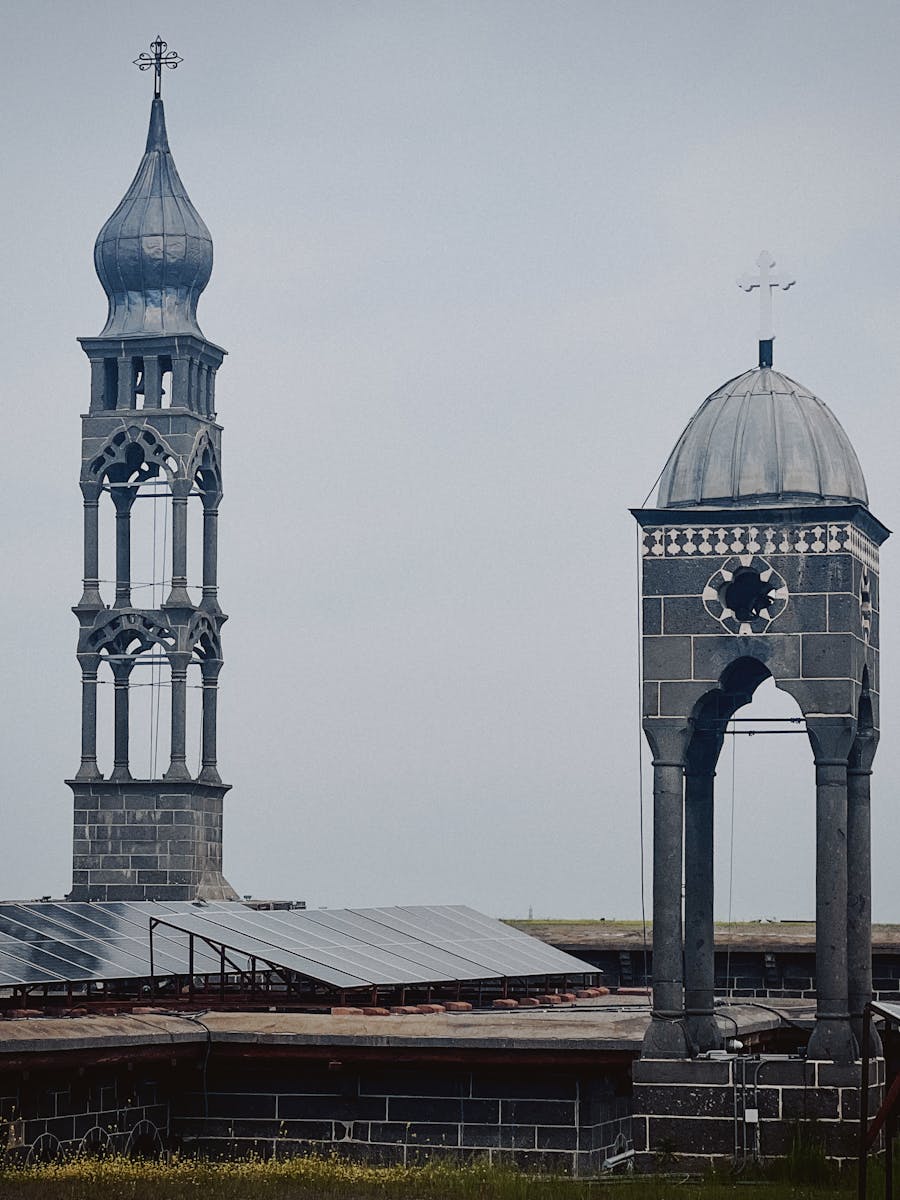
Yes. Listed parish churches across the UK regularly install solar PV through Listed Building Consent and (for CofE buildings) faculty jurisdiction. Grade II is straightforward, Grade II* requires Historic England consultation, Grade I needs more depth but is achievable.
Full answer
Listed-building solar PV is well-trodden in 2026. Historic England has published clear guidance (Energy Efficiency and Historic Buildings: Solar Electric (Photovoltaic) Panels) explicitly supporting properly-designed installations. The Church of England has approved dozens of faculty applications for solar on Grade II and Grade II* parish churches since 2020. Even Grade I listed cathedrals have hosted solar installations (Gloucester Cathedral on the nave roof, Salisbury Cathedral on the visitor centre, Hereford Cathedral across the close).
The framing has shifted from 'is this allowed?' to 'how do we design this well?' Modern installations use black-on-black panels (anodised aluminium frame, all-black cells, black backsheet), in-roof flush mounting where roof structure permits, less-visible slope selection (chancel south slope rather than nave south slope), and fully reversible fixings. These design choices are now expected by DACs and Historic England.
Permitting timescale varies by listing grade: 10–14 weeks for Grade II non-controversial cases, 18–26 weeks for Grade II*, 24–40 weeks for Grade I where Historic England is substantially involved. The Listed Places of Worship VAT Grant Scheme, which reimbursed the 20% VAT on listed-building works, closed on 31 March 2026; the installation itself is zero-rated for VAT to 31 March 2027 in a building used solely for a relevant charitable purpose, effectively a 20% discount on the headline capex.
Three things make listed-church solar applications fail: weak Statement of Significance (heritage analysis insufficient), poor visual treatment of panels, and no engagement with the diocesan architect before submission. We address all three as standard practice.
Related questions
- How long does a faculty application take?
- What grants are available for listed church solar?
- Does my church need Listed Building Consent?
- Can Grade I churches have solar?