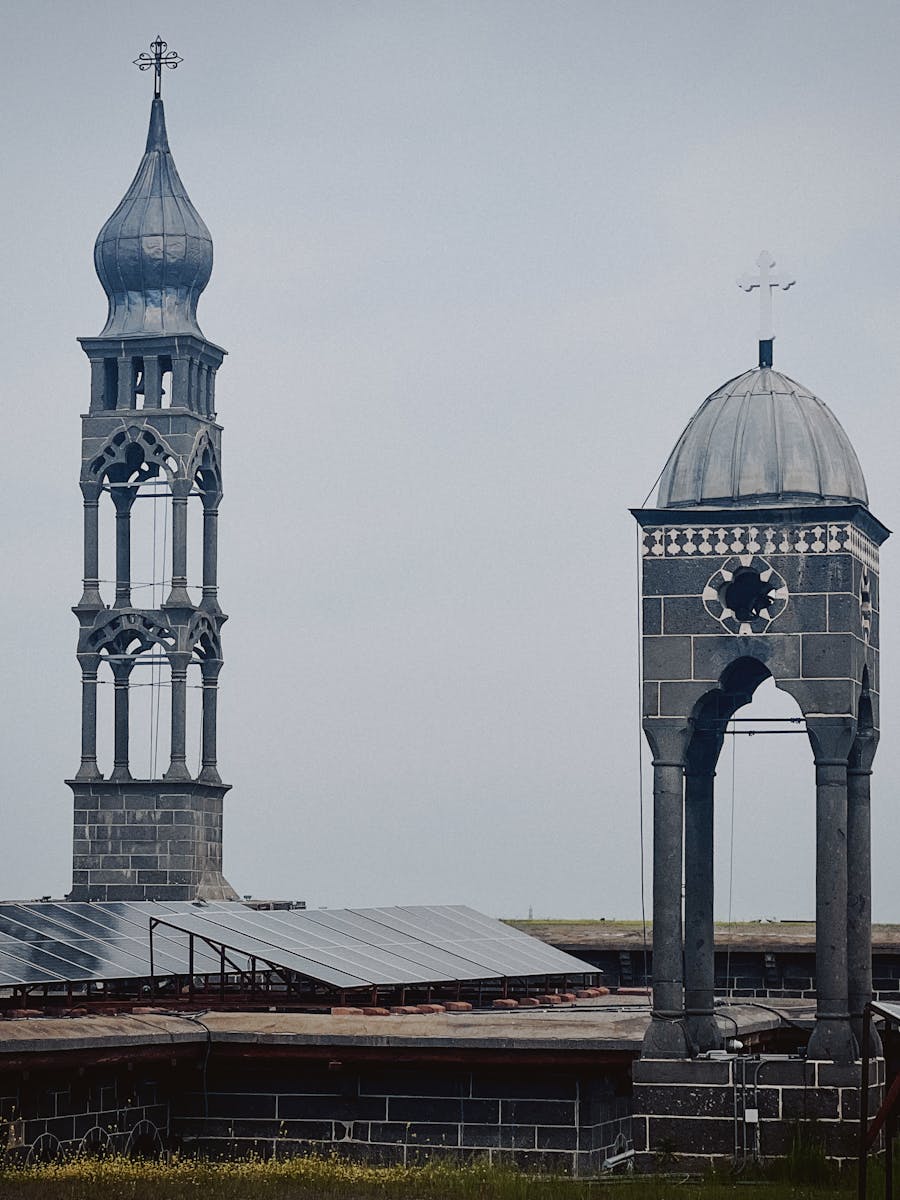
Kent has the densest concentration of medieval churches in England outside Norfolk. Two CofE dioceses split the county at Maidstone roughly — Canterbury covers East Kent (the historic primatial see of the Anglican Communion) and Rochester covers West Kent (founded AD 604, second-oldest English diocese). Combined around 490 CofE parishes. Strong heritage church estate and the Kent Solar Together community-buying scheme adds further funding option.
Notable churches in Kent
- Canterbury Cathedral (UNESCO World Heritage Site)
- Rochester Cathedral (second-oldest English cathedral, founded 604)
- St Martin's Canterbury (oldest English church in continuous use)
- St Mary's Hadlow
- Tunbridge Wells King Charles the Martyr
- Tonbridge SS Peter and Paul
- St Mildred's Tenterden
Funding picture in Kent
Kent benefits from two diocesan programmes (Canterbury £22k, Rochester £20k) plus Buildings for Mission, the 0% VAT rate for charitable-use buildings (to 31 March 2027) and the Kent Solar Together community-buying scheme that can provide additional bulk-buying discounts on top of formal grants. A typical funded parish project in Kent combines national Buildings for Mission with the diocesan capital programme, Listed Places of Worship VAT for listed buildings, and (often) Allchurches Trust or local foundation grants. Combined coverage of 60-90% of capex is achievable for well-prepared projects.
For full diocese-specific detail see our Diocese of Canterbury page or our complete grants and funding guide.
Towns and cities we cover in Kent
How we work in Kent
- Free desk feasibility — typically inside 7 working days. PCC-ready report covering system size, capex, available grants, payback model.
- On-site survey — structural and electrical engineers visit. Diocesan architect engaged for listed buildings.
- Faculty / Listed Building Consent — for CofE parishes; civil regime for non-CofE buildings.
- Grant applications — Buildings for Mission, diocesan capital, charitable trusts.
- Install and commission — typically 1-3 weeks on site for most parish projects.