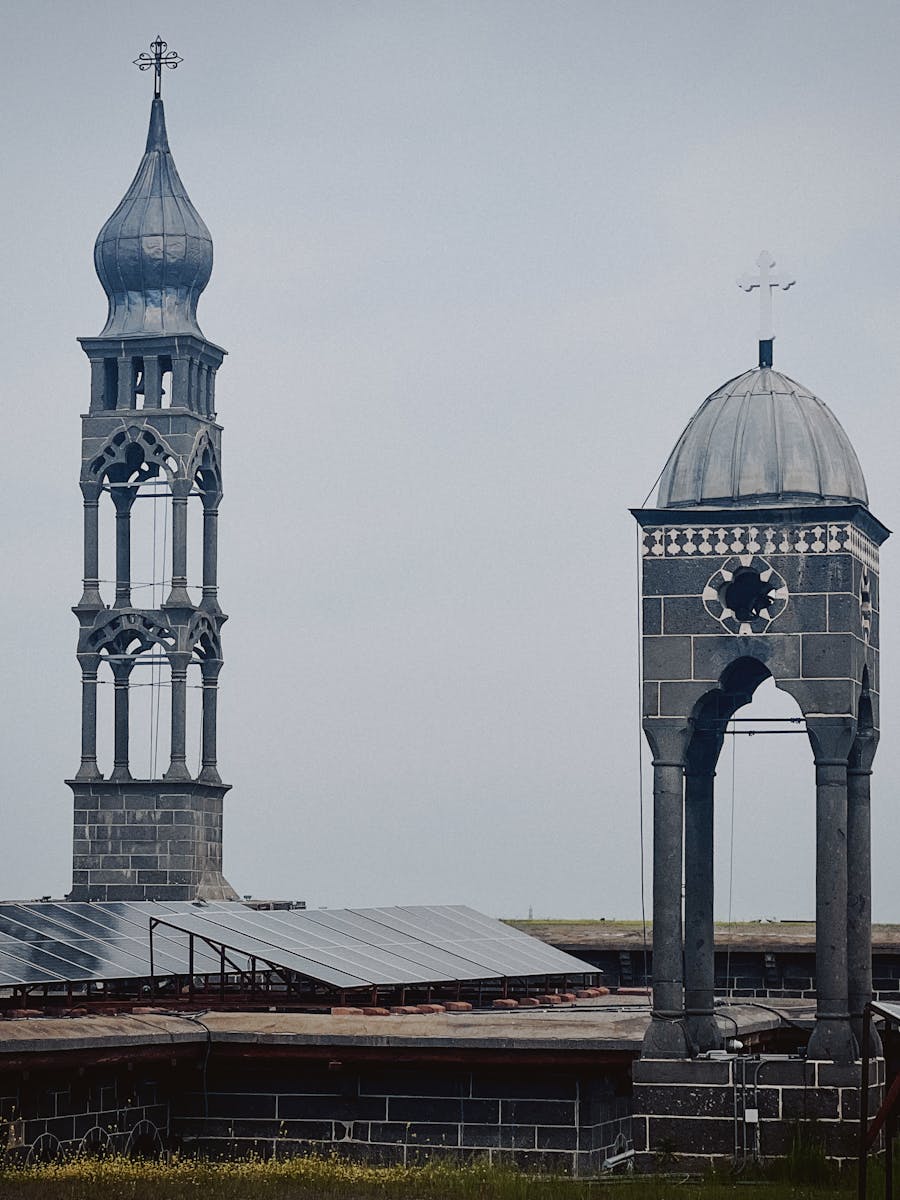
Quick answer
No. Painting solar panels reduces output by 30-90% (depending on paint coverage and colour) and voids manufacturer warranties. The right solution for heritage matching is to specify factory-produced black-on-black panels that closely match slate or lead roof colour from the outset.
Full answer
Solar panels work by absorbing light at specific wavelengths in semiconductor cells. Adding any opaque layer (paint, film, coating) blocks the absorption and reduces output. Painting just the panel frame is possible but has minimal aesthetic impact. Painting cell areas destroys performance.
The proper heritage solution is panel selection at the manufacturing stage:
Black-on-black panels (anodised aluminium frame, all-black monocrystalline cells, black backsheet) provide a dark slate-grey appearance that matches most UK roof colours from any normal viewing distance. Cost premium 15-25% vs standard panels but no performance penalty.
In-roof flush mounting eliminates the standoff appearance — panels sit at slate/tile line rather than 50-150mm above it. From the ground at typical viewing angles the panels can read as a darker patch of roof.
For Grade I and Grade II* listed buildings where even black-on-black flush panels are too visible, the answer is usually to put the array on a less-visible roof slope (chancel south rather than nave south, vestry, outbuilding) rather than to try to disguise panels on a principal elevation.
Specialist 'invisible solar' products (slate-effect roof tiles with integrated PV cells, solar roof tiles) exist but have substantial performance penalties (40-60% lower output per m²) and high cost. Useful for the very most heritage-sensitive cases but not standard for parish work.
Related questions
- What are black-on-black panels?
- Can we use solar roof tiles?
- What about in-roof flush mounting?
- How does panel selection affect heritage acceptance?