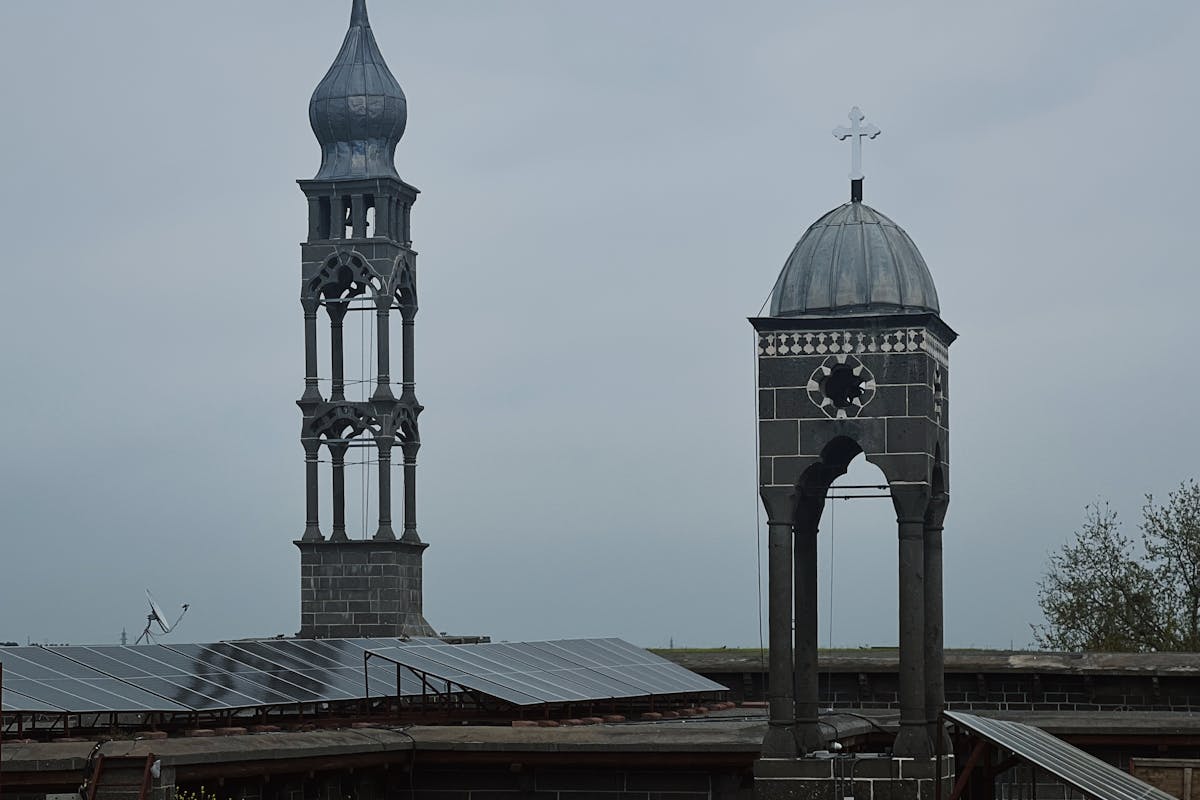
The three main models
UK churches considering solar have three principal alternatives to parish-owned solar:
1. Community-owned solar (co-op model)
A community energy co-operative owns the solar PV asset and rents the roof space from the parish. The co-op funds installation, takes on operational responsibility, and sells electricity to the parish at a discounted rate (typically 15-25% below grid retail). Term: 15-25 years. At end of term the assets typically transfer to the parish at nominal cost.
Best for: parishes that don't want to take capital risk, parishes where grant funding doesn't cover full capex, parishes wanting to engage the wider community in the project.
2. Sleeve Power Purchase Agreements (PPA)
A commercial solar developer funds and owns the panels, selling electricity to the parish at a contracted rate for a fixed term. Different from the co-op model in that the owner is a commercial entity rather than a community co-op. Less common for parish-scale work; more common for cathedral-scale or multi-site portfolios.
Best for: cathedrals or large multi-building parish estates where parish capital is genuinely unavailable and grants insufficient.
3. Shared-meter parish energy
Multiple buildings on a single parish site (church, hall, vicarage, sometimes school) operate under shared metering. The parish owns the panels; the metering arrangement allows generation to be allocated flexibly across all uses, improving self-consumption from 35-40% to 70-85%.
Best for: parishes with multiple buildings on a single site where the metering reconfiguration is achievable. Diocese of Oxford and Bristol have piloted this model successfully.
UK examples
- Oxfordshire Greener Group: Oxfordshire-based community energy co-op operating multiple parish solar installations across Oxford diocese
- Bristol Energy Co-op: Established community energy operator with church and community-building portfolio across the South West
- Manchester GMEN (Greater Manchester Energy Network): Network of community energy co-ops covering multiple Manchester parishes
- South East London Community Energy: Cross-borough community energy delivery in south London, including several parish installations
- Repowering London: Community-owned solar across multiple London-area community buildings including churches
- Energy4All: National umbrella organisation supporting community energy co-ops including those serving parish installations
Economic comparison
| Model | Upfront cost | Annual saving (yr 1) | 25-year value to parish |
|---|---|---|---|
| Parish-owned (with grants) | £5-15k net | £3,000-£5,500 | £90,000-£150,000 |
| Community-owned co-op | £0 | £1,200-£2,500 | £35,000-£65,000 |
| Sleeve PPA | £0 | £800-£1,800 | £25,000-£50,000 |
| Shared-meter parish-owned | £8-20k net (with grants) | £5,500-£10,000 | £150,000-£260,000 |
Parish-owned (with grants) is the strongest economic model for most parishes that can fund the modest net capex. Community-owned co-op is the right answer for parishes that genuinely cannot or do not want to commit capital. Shared-meter is the strongest economic model when achievable.
Common community energy questions
What is a community energy scheme?
A community-owned or community-controlled energy generation project where local people (rather than commercial investors) own the solar PV asset. For churches, this typically means the parish hosts the panels on its roof and a community energy co-operative owns the array, selling generated electricity to the parish at a discounted rate.
How does the church benefit financially?
The parish pays nothing upfront for the panels. The community energy co-op pays for installation. The parish then buys electricity from the co-op at typically 15-25% below grid retail rates for 15-25 years. Annual savings £1,500-£6,000 typical depending on system size.
What are the trade-offs?
The parish does not own the panels (the co-op does). Long-term economics are typically less favourable than parish-owned solar (because the co-op recovers its investment plus return). Some grant routes specifically require parish ownership and exclude community-owned schemes.
Are there UK examples?
Yes — Oxfordshire Greener Group, Bristol Energy Co-op, Manchester GMEN (Greater Manchester Energy Network), South East London Community Energy. Several have established models specifically for parish solar.
How do shared-meter parish energy schemes work?
Several CofE dioceses (Oxford, Bristol, Manchester, Salisbury) have piloted shared-meter parish energy where multiple buildings on a single parish site (church, hall, vicarage, occasionally school) share a common metering arrangement. The solar generation can be allocated flexibly across all uses, dramatically improving self-consumption economics.