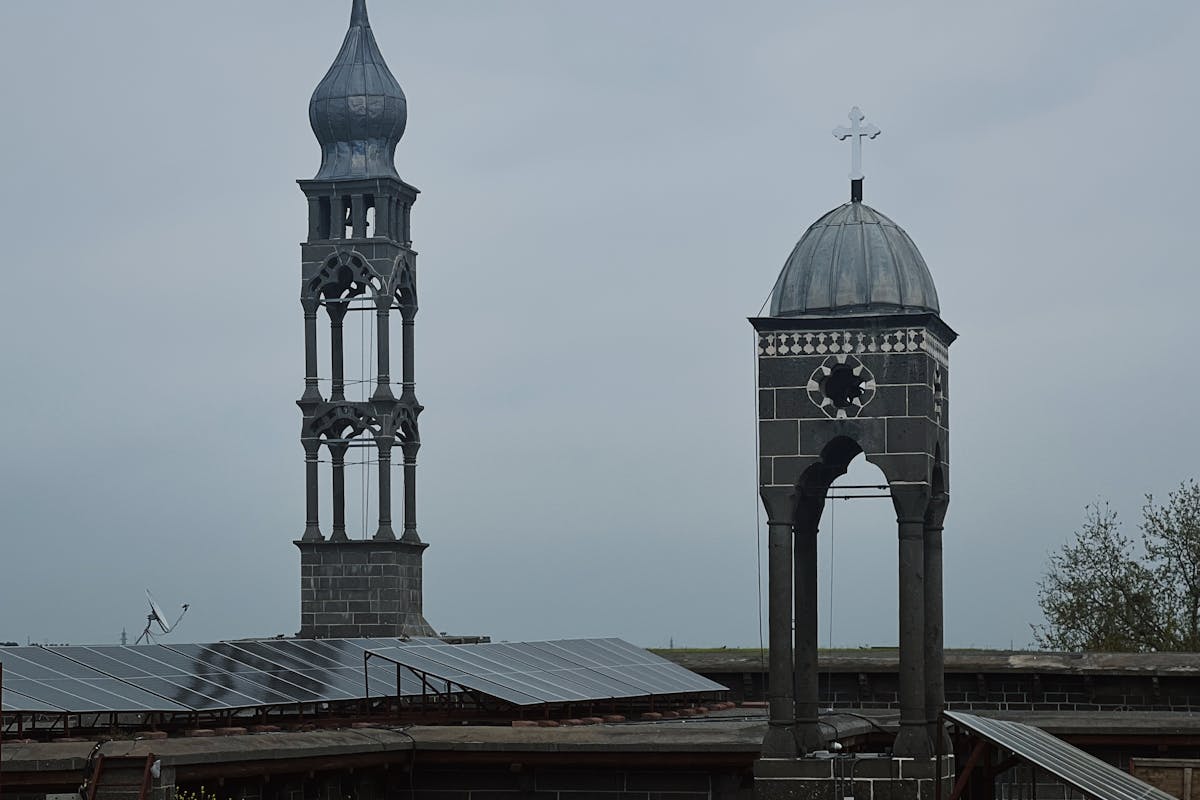
The honest framing
The question "solar PV or heat pump?" is misleading. For most UK parishes the answer is "both, but in order." Solar PV typically goes first (Year 1-2 of the parish energy strategy); heat pump retrofit follows (Year 3-5 for the hall, Year 5-10 for the church where feasible). The question becomes which to do first.
This article sets out the case for solar PV first for most UK parishes, with the principal exceptions noted.
Solar PV vs heat pump retrofit for UK parishes
| Solar PV Rooftop installation | Heat pump retrofit Air-source or ground-source | |
|---|---|---|
| Typical capex (15 kW solar vs 30 kW heat pump) | £18,000-£24,000 | £28,000-£60,000 |
| Permitting | Faculty (CofE) or Permitted Development | Faculty + LBC for listed; civil planning for unlisted |
| Install duration | 1-3 weeks | 2-8 weeks (depends on internal system) |
| Internal disruption | Minimal — roof work mainly | Substantial — radiators, pipework, controls |
| Annual carbon reduction (typical) | 3-9 tonnes CO₂e | 8-18 tonnes CO₂e (parish with oil/LPG heating) |
| Annual cost saving | £3,000-£5,500 | £2,500-£8,000 (depends on fuel switched from) |
| Payback (with grants) | 4-8 years | 6-12 years |
| Heritage acceptance | Very acceptable with good design | Variable — Grade I/II* sometimes refused |
| Track record across UK parishes (delivered) | ~2,500 parish installs | ~150 parish heat pump retrofits |
| Grant routes (UK 2026) | Buildings for Mission + diocesan capital | BUS (where eligible) + Buildings for Mission |
Why solar first for most parishes
Six reasons solar PV typically goes first in the parish energy strategy:
- Faster grant track record. Solar Buildings for Mission applications have a 6-month decision cycle. Solar gets a successful project on the parish record sooner.
- Heritage acceptance proven. Solar PV faculty applications now have established precedents across 15+ dioceses. Heat pump retrofits on listed church buildings remain less common; DAC and Historic England processes are still maturing.
- Lower internal disruption. Solar install is 1-3 weeks of rooftop work; heat pump install is 2-8 weeks of internal radiator/pipework/controls work. Solar fits the parish calendar more easily.
- Solar reduces heat pump electricity demand. When the parish does install a heat pump later, the existing solar offsets the heat pump's electricity demand. Doing solar first improves heat pump economics.
- Lower capex per kg of CO₂ avoided. Solar typically delivers 1.5-2.5 kg CO₂ avoided per £1 of capex; heat pumps deliver 1.0-1.8 kg per £1. For carbon-constrained parishes (most of them), solar is more efficient per pound.
- Strong battery + solar combination already established. Solar + battery (10-25 kWh typical) creates the infrastructure that heat pumps later integrate with.
When heat pumps go first
Three situations where heat pump retrofit makes sense as the Year 1 intervention rather than Year 3-5:
Parish hall with failing boiler
If the parish hall's existing oil/LPG/gas boiler is failing imminently (within 12-24 months), replacing it with a heat pump rather than another fossil-fuel boiler is the right capital decision regardless of solar timing. Solar can follow in Year 2 or 3.
Parish with very low electricity bills
If parish electricity consumption is genuinely under £2,500/year (around 11,000 kWh), solar economics may not work even with grants. Heat pumps targeting the higher-cost heating fuel may be the better Year 1 intervention.
Combined parish-school sites
Where a parish shares a site with a school, a combined heat pump and solar project can make sense, but plan the funding around routes that are open today. The Public Sector Decarbonisation Scheme, which once funded heat-led retrofits on state school buildings, closed to new applications in November 2024, and no new window had opened as of September 2026. Solar PV can follow the heating work once the school and church funding is confirmed.
The combined-system case
For parishes pursuing full Scope 1+2 decarbonisation, the combined system (solar + battery + heat pump retrofit) is the right answer. Total capex £45,000-£90,000 for a parish church + hall complex; combined grants typically cover 60-90%; combined payback 5-9 years. The order is solar first; heat pump follows once the parish has solar generation and battery infrastructure established.
Common solar vs heat pump questions
Which delivers more carbon reduction?
Heat pumps deliver larger absolute carbon reduction for parishes with significant heating bills (oil/LPG/electric resistive). Solar delivers larger carbon reduction for parishes with high electricity bills relative to heating. For most parishes the combination is the answer; the question is which to do first.
Which has faster payback?
Solar PV on parish halls typically pays back in 5-8 years; church-only solar 11-14 years. Heat pumps typically have longer paybacks (8-15 years) but more substantial fuel-cost avoidance for oil/LPG heating.
Which is easier to install?
Solar PV — significantly. Faculty applications are well-established; install is 1-3 weeks; minimal disruption to internal fabric. Heat pumps require internal heating-system retrofit, often substantial radiator/underfloor work, and longer permitting timelines.
Which offers stronger grant funding?
Both have grant routes, but check what is open when you apply. Solar: Buildings for Mission and diocesan capital. Heat pumps: the Boiler Upgrade Scheme where the building is eligible, plus Buildings for Mission. The Listed Places of Worship Grant Scheme closed on 31 March 2026, and the Public Sector Decarbonisation Scheme closed to new applications in November 2024, and no new window had opened as of September 2026.
What is the right order for most parishes?
Solar PV first (Year 1-2), then heat pump retrofit on the hall (Year 3-5), then heat pump retrofit on the church (Year 5-10 if feasible). Solar establishes parish solar experience, the grant track record, and reduces grid electricity demand that heat pumps would add.